

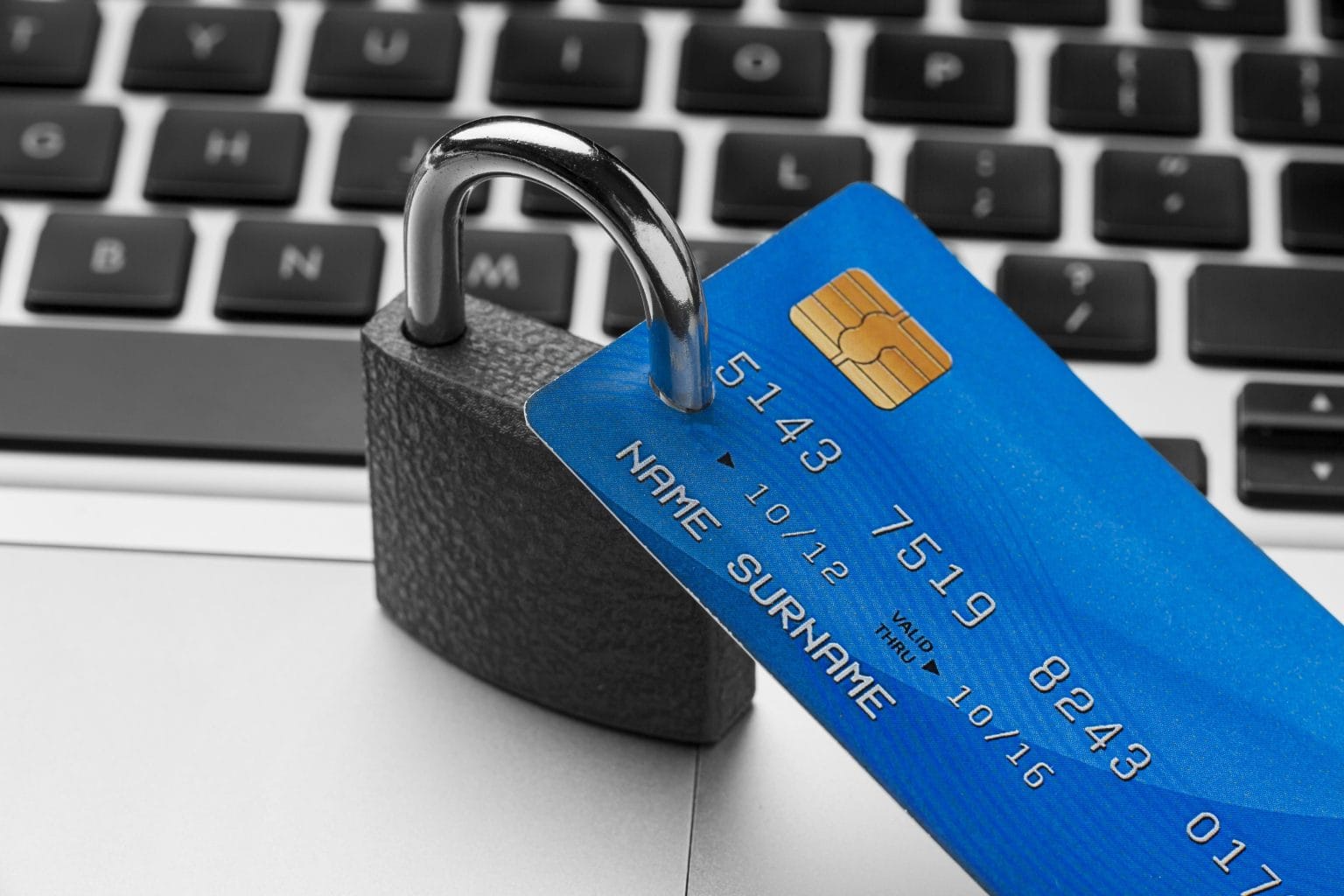
At Genius Digital Commerce, we know how important the security of your e-commerce website is. One of the significant threats on the rise today is the BIN (Bank Identification Number) attack. Here’s what you need to know about BIN attacks, how to spot them, and how to protect your eCommerce site.

What Are BIN Attacks?
A BIN (Bank Identification Number) is the first six to eight numbers on a credit or debit card. These numbers identify the card issuer and help ensure transactions are processed correctly. BINs provide crucial information, such as the card type and the issuing bank’s location. Unfortunately, they are also targets for fraudsters. BIN attacks involve criminals using brute-force methods to guess valid combinations of card details. They systematically test numerous combinations of card numbers, expiration dates, and CVVs on your site. Once they find a working combination, they make small test purchases to validate the card before making larger, unauthorized transactions elsewhere.
How to Detect BIN Attacks
Catching BIN attacks early is essential. Here are some signs that your website might be under attack:
- Unusual Traffic Patterns: A sudden spike in failed transaction attempts, especially from a single IP address or a range of IP addresses, can indicate a BIN attack.
- Repeated Transaction Attempts: Multiple failed attempts with different card numbers but similar patterns can be a red flag.
- Low-Value Transactions: Fraudsters often start with low-value transactions to test card validity before moving on to larger purchases.
How to Mitigate BIN Attacks
Preventing BIN attacks requires a multi-layered approach to security. Here are some effective strategies:
- Implement Rate Limiting
Rate limiting restricts the number of transactions from a single IP address within a specific timeframe. This can significantly slow down automated attempts to test card numbers. - Use CAPTCHA
Incorporate CAPTCHA challenges during the checkout process to differentiate between human users and automated bots. This adds an extra layer of security and makes it more difficult for bots to carry out BIN attacks. - Employ Advanced Fraud Detection Tools
Use tools like Kount to monitor and analyze transaction patterns in real time. These tools can help identify and block suspicious activities, reducing the risk of successful BIN attacks. - Monitor and Block Suspicious IP Addresses
Regularly monitor traffic to your website and block IP addresses that show signs of suspicious activity. Automated tools can help you detect and respond to these threats quickly. - Implement Account Registration or Card Registration
Forcing customers to create an account on your site or to register & verify their card before shopping will reduce BIN attacks as this process will likely require additional account verification steps that are complicated for bots such as email verification, etc. - Implement Strong Authentication Measures
Require CVV verification for all transactions and consider implementing multi-factor authentication (MFA) for customer logins. This adds an additional layer of security, making it harder for fraudsters to complete unauthorized transactions. - Educate Your Team
Ensure your team is aware of the signs of BIN attacks and knows how to respond effectively. Regular training and updates can help your staff stay vigilant and proactive in identifying potential threats.